





- Recherche - LLS,
Séminaire de littérature: Stefano Evangelista, The First English Haiku: Translation and Transformation around 1900
Publié le 23 octobre 2026
–
Mis à jour le 6 novembre 2026
Stefano Evangelista (Professor of English and Comparative Literature, University of Oxford), professeur invité à l'Université Paris Nanterre, "The First English Haiku: Translation and Transformation around 1900"
Date(s)
le 26 novembre 2026
Salle de séminaire 2 ET en ligne, lien de visioconférence: https://meet.google.com/shm-efus-tjp
Lieu(x)
Bâtiment Max Weber (W)
Salle de séminaire 2
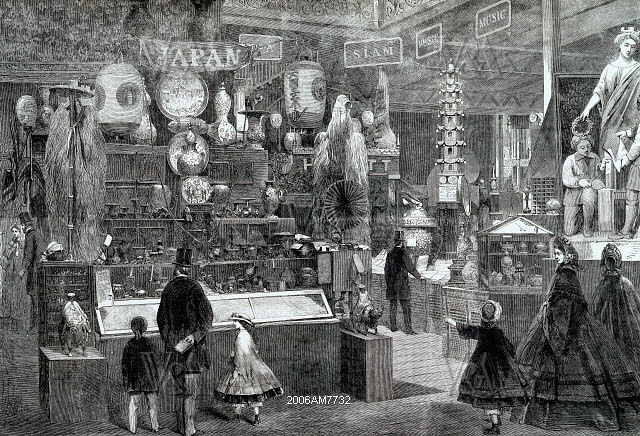
Haiku- the iconic Japanese seventeen-syllable poem - is now one of the most beloved and universal poetic forms, practised in virtually every language by both writers and amateur poets. But when English readers first discovered Japanese haiku around 1900 they were baffled by their startling brevity and fragmented form. As a result, early translators came up with different ways of domesticating haiku in order to make them fit the conventions of traditional English lyric poetry. This talk unravels the early history of the first reception of haiku in English, before the modernists lionised this poetic form, reading it in relation to the craze for Japanese art and culture that seized Europe at the end of the nineteenth century, and to the changes in haiku that took place in Japan.
Mis à jour le 06 novembre 2026
Contact :
Xavier Giudicelli : xavier.giudicelli@parisnanterre.fr