





Séminaire OAB - The Geopolitics of Brexit: Commonwealth, Anglosphere and ‘Global Britain’
Publié le 26 novembre 2026
–
Mis à jour le 26 novembre 2026
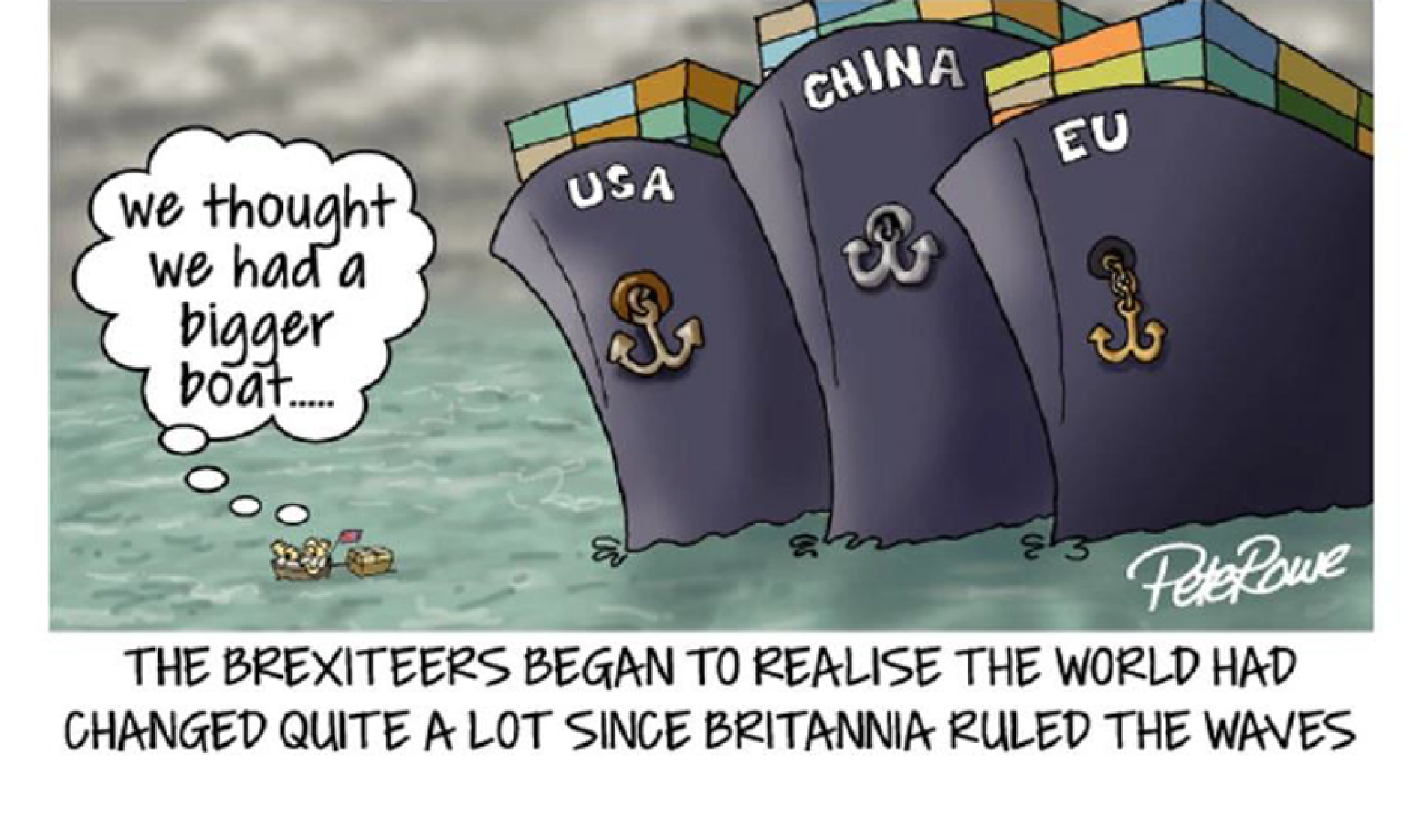
Table ronde autour de la question au programme de l'agrégation d'anglais 2027 (en anglais): Géopolitique du Brexit : Commonwealth, Anglosphère et "Global Britain"
ROUNDTABLE: The Geopolitics of Brexit: Commonwealth, Anglosphere and ‘Global Britain’
Speakers: Professor Philip MURPHY, Director of History & Policy at the Institute of Historical Research, is joint editor of the Journal of Imperial and Commonwealth History and author of The Empire’s New Clothes: The Myth of the Commonwealth (2018).
Professor Nick PEARCE, Director of the Institute for Policy Research and Professor of Public Policy at Bath University, is co-author of Shadows of Empire: The Anglosphere in British Politics (2018) and World Island: The Maritime Idea in British Politics (February 2027)
Abstract
When Britain voted to leave the European Union in 2016, leading Brexiteers presented Brexit as an opportunity to revive the UK’s global relationships, particularly with the Commonwealth and the Anglosphere in parts of the world that were growing faster than Europe.
Why did this idea of the UK as a global power with international networks and influence rooted in its imperial past, acquire such a powerful hold in some British political and policymaking circles in the 2010s? To what extent did the vision of ‘Global Britain’ reflect a coherent geopolitical strategy, rather than a nostalgic appeal to an imperial past? And how far have successive post-Brexit UK governments succeeded in developing meaningful new relationships beyond Europe?
---
TABLE RONDE Géopolitique du Brexit : Commonwealth, Anglosphère et « Global Britain »
Résumé
Lorsque les Britanniques ont voté en faveur de la sortie de l’Union européenne en 2016, les principaux partisans du Brexit ont présenté cette décision comme une occasion de redynamiser les relations internationales du Royaume-Uni, en particulier avec le Commonwealth et l’Anglosphère, dans des régions du monde connaissant une croissance économique plus rapide que l’Europe.
Pourquoi cette conception du Royaume-Uni comme puissance mondiale, disposant de réseaux et d’une influence internationale ancrés dans son passé impérial, a-t-elle exercé une telle emprise sur certains milieux politiques et décisionnels britanniques au cours des années 2010 ? Dans quelle mesure le projet de « Global Britain » relevait-il d’une stratégie géopolitique cohérente, plutôt que d'un appel nostalgique au passé impérial ? Et dans quelle mesure les gouvernements britanniques successifs depuis le Brexit sont-ils parvenus à développer de nouvelles relations solides au-delà de l’Europe ?
Mis à jour le 26 novembre 2026
Contact:
- Timothy Gibbs t.gibbs@parisnanterre.fr