





Interpreting war crimes and experiences. Eliane Esther Bots
Published on March 9, 2026
–
Updated on March 9, 2026
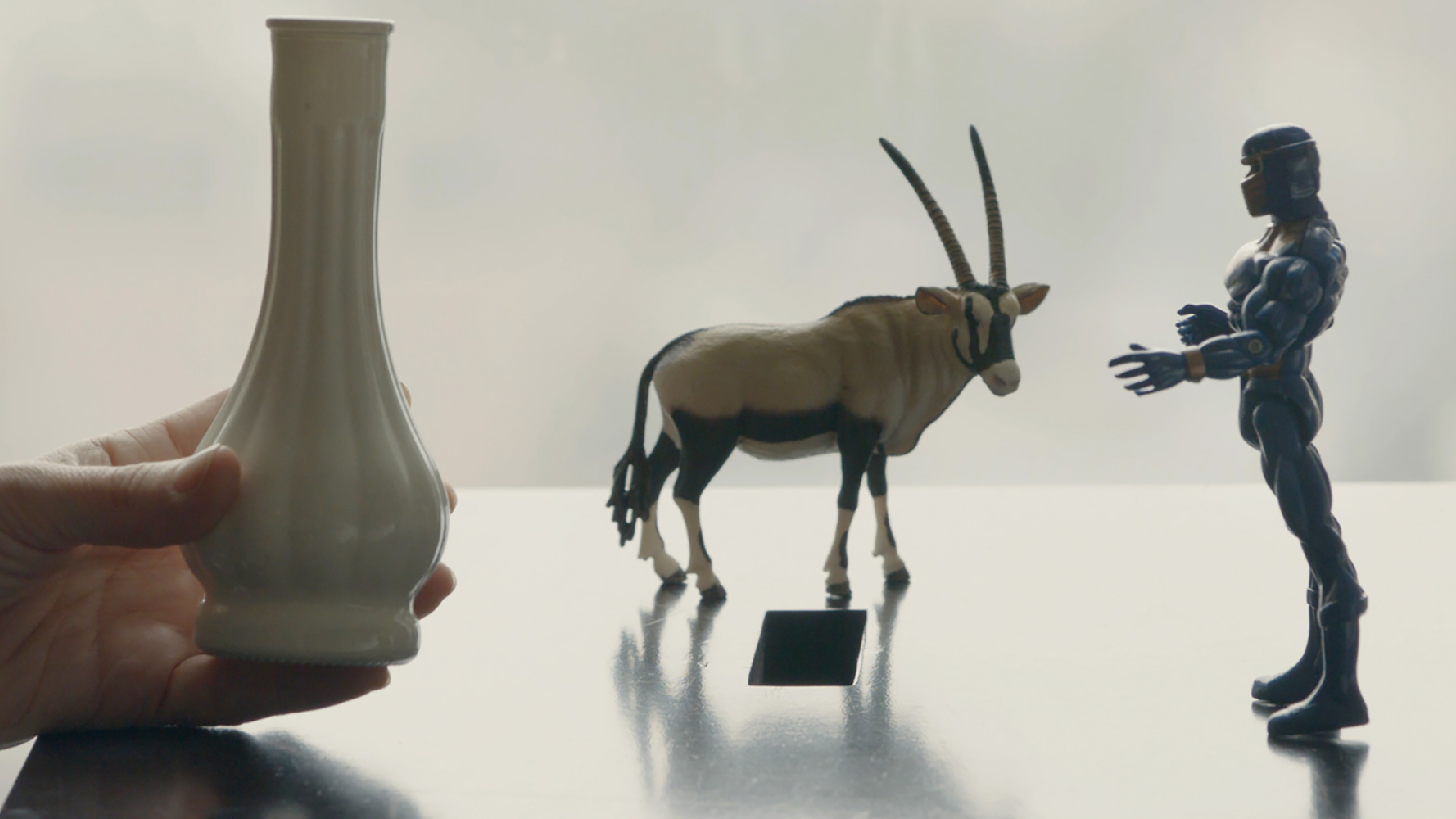
Journée d'études organisé par le groupe de recherche PROFIL (sur les procès filmés) en collaboration avec Literature Matters du CREA
Dates
on the March 18, 2026
11h-17h
Location
11h-13h - Salle des thèses B15, bâtiment Grappin
14h30-17h - Amphithéâtre du bâtiment Weber
14h30-17h - Amphithéâtre du bâtiment Weber
Interpreting war crimes and experiences: the International Criminal Tribunal for the Former Yugoslavia and poetry from Chechnya
Interpréter les crimes et les expériences de guerre : le TPIY et la poésie tchéchène
Les présentations et les échanges se tiendront en anglais / Presentations and discussions will be held in English
11h-13h: Book presentation: Eliane Esther Bots, The Daughters, The Interpreters and The Family DOC editions, 275 pages, 2026
Bâtiment Grappin, salle des thèses B15.
The non-fiction artist’s book The Daughters, The Interpreters and The Family brings together transcriptions, poems, dreams, paintings, and drawings. These materials narrate conflict-related experiences and memories from three distinct perspectives: second-generation Dutch-Bosnian girls, interpreters working for the International Criminal Tribunal for the former Yugoslavia, and a family who fled the war in Chechnya. The texts are based on transcriptions of extensive conversations and interviews conducted by filmmaker Eliane Bots as part of her film projects. In close collaboration with the interviewees, she reworked these transcriptions into the texts presented in the publication. The seminar will begin with a collective listening session to an audio version of the book created by Eliane Bots. Following this experience, Eliane Bots will reflect on the making of the book: working with transcriptions as a form of narrative justice, the challenges of translation, questions of agency, and the interplay between text, sound, and materiality. Drawing on her position as a filmmaker, she will also share how the book and its audio track reflect on the filmmaking process itself and on the encounters that shape it.
Please bring a smartphone and headphones.
Le public est invité à VENIR AVEC UN SMARTPHONE ET DES ÉCOUTEURS.
14h30 : Interpreting for justice / Traduire en (contexte de) justice
Bâtiment Weber, amphithéâtre
Screening of In Flow of Words (22 min), followed by a talk with the director Eliane Esther
Bots and interpreter Alma Imamović-Imanov, featured in the film.
In Flow of Words (22 minutes), a documentary by Eliane Esther Bots that follows three interpreters who worked at the International Criminal Tribunal for the former Yugoslavia (ICTY) in The Hague, the Netherlands. The film has been screened extensively, including at major international film festivals and at the United Nations in Geneva. After the screening, interpreter Alma Imamović, one of the interpreters featured in the film, who spent more than ten years working for the tribunal, joins Eliane for an open conversation about the lesser-seen world of interpretation beyond the courtroom: the shifting spaces in which interpreters navigate between witnesses, accused persons, and legal teams; the emotional demands of working with testimonies marked by trauma and conflict; and what it means to interpret words that will become evidence. The conversation will then lead to a round-table exchange with Ninon Maillard and Naomi Toth and the audience.
16h : War poetry / poésie en guerre
Bâtiment Weber, amphithéâtre
Voice, poetry and translation: Chechen poetry with Kesira Adajewa
The final program element turns to the third chapter of the book The Daughters, The Interpreters and The Family. This chapter centers on the experiences of the Adajew family, who fled Chechnya during the wars of the 1990s. A central component of this chapter is the collective effort to translate the Chechen poetry collection Homelands Commandments, compiled by the Adajew family. We will open this session with the audio piece It is a Voice by Eliane Esther Bots, recorded in the home of the Adajew family. The piece invites the audience to attune their listening before stepping into the shifting terrain of poetry, translation, and memory. From there, the session unfolds as an exploration of the poems: recitations, reflections, and contextual threads weave together to illuminate the complexities surrounding this body of work: the impossibility of certain translations, the presence of propaganda embedded in language, and the anonymity of authors whose names have been lost or silenced. Attention is also given to the poems written by Luiza Adajewa during the bombing of Grozny.
Kesira Adajewa, who translated the poems, joins the session, offering insight into the choices, constraints, and emotional resonances that shaped this translation process.
The event will conclude with a round-table conversation with a contribution by Guillaume Peureux, opening space to consider how poetry, translation, and historical violence intersect.
Please bring a smartphone and headphones.
Le public est invité à VENIR AVEC UN SMARTPHONE ET DES ÉCOUTEURS.
Interpréter les crimes et les expériences de guerre : le TPIY et la poésie tchéchène
Les présentations et les échanges se tiendront en anglais / Presentations and discussions will be held in English
11h-13h: Book presentation: Eliane Esther Bots, The Daughters, The Interpreters and The Family DOC editions, 275 pages, 2026
Bâtiment Grappin, salle des thèses B15.
The non-fiction artist’s book The Daughters, The Interpreters and The Family brings together transcriptions, poems, dreams, paintings, and drawings. These materials narrate conflict-related experiences and memories from three distinct perspectives: second-generation Dutch-Bosnian girls, interpreters working for the International Criminal Tribunal for the former Yugoslavia, and a family who fled the war in Chechnya. The texts are based on transcriptions of extensive conversations and interviews conducted by filmmaker Eliane Bots as part of her film projects. In close collaboration with the interviewees, she reworked these transcriptions into the texts presented in the publication. The seminar will begin with a collective listening session to an audio version of the book created by Eliane Bots. Following this experience, Eliane Bots will reflect on the making of the book: working with transcriptions as a form of narrative justice, the challenges of translation, questions of agency, and the interplay between text, sound, and materiality. Drawing on her position as a filmmaker, she will also share how the book and its audio track reflect on the filmmaking process itself and on the encounters that shape it.
Please bring a smartphone and headphones.
Le public est invité à VENIR AVEC UN SMARTPHONE ET DES ÉCOUTEURS.
14h30 : Interpreting for justice / Traduire en (contexte de) justice
Bâtiment Weber, amphithéâtre
Screening of In Flow of Words (22 min), followed by a talk with the director Eliane Esther
Bots and interpreter Alma Imamović-Imanov, featured in the film.
In Flow of Words (22 minutes), a documentary by Eliane Esther Bots that follows three interpreters who worked at the International Criminal Tribunal for the former Yugoslavia (ICTY) in The Hague, the Netherlands. The film has been screened extensively, including at major international film festivals and at the United Nations in Geneva. After the screening, interpreter Alma Imamović, one of the interpreters featured in the film, who spent more than ten years working for the tribunal, joins Eliane for an open conversation about the lesser-seen world of interpretation beyond the courtroom: the shifting spaces in which interpreters navigate between witnesses, accused persons, and legal teams; the emotional demands of working with testimonies marked by trauma and conflict; and what it means to interpret words that will become evidence. The conversation will then lead to a round-table exchange with Ninon Maillard and Naomi Toth and the audience.
16h : War poetry / poésie en guerre
Bâtiment Weber, amphithéâtre
Voice, poetry and translation: Chechen poetry with Kesira Adajewa
The final program element turns to the third chapter of the book The Daughters, The Interpreters and The Family. This chapter centers on the experiences of the Adajew family, who fled Chechnya during the wars of the 1990s. A central component of this chapter is the collective effort to translate the Chechen poetry collection Homelands Commandments, compiled by the Adajew family. We will open this session with the audio piece It is a Voice by Eliane Esther Bots, recorded in the home of the Adajew family. The piece invites the audience to attune their listening before stepping into the shifting terrain of poetry, translation, and memory. From there, the session unfolds as an exploration of the poems: recitations, reflections, and contextual threads weave together to illuminate the complexities surrounding this body of work: the impossibility of certain translations, the presence of propaganda embedded in language, and the anonymity of authors whose names have been lost or silenced. Attention is also given to the poems written by Luiza Adajewa during the bombing of Grozny.
Kesira Adajewa, who translated the poems, joins the session, offering insight into the choices, constraints, and emotional resonances that shaped this translation process.
The event will conclude with a round-table conversation with a contribution by Guillaume Peureux, opening space to consider how poetry, translation, and historical violence intersect.
Please bring a smartphone and headphones.
Le public est invité à VENIR AVEC UN SMARTPHONE ET DES ÉCOUTEURS.
Updated on 09 mars 2026